01Our foundation
Deep optical engineering.
Design, analyze, optimize, and tolerance optics. Use the interface, Python, or an AI agent to work with Paraxial’s numerical physics engines.
 Paraxial.Book a demo
We build software for optical engineers who want to explore more designs, move faster, and understand the full optical system. Our longer-term ambition is complete system design, with more physics connected in one platform for engineers and AI agents.
Founded in optical engineering.Neither should your design tools.
Optical performance depends on more than the nominal prescription. Manufacturing variation, stray light, temperature, and the surrounding structure all shape the system you eventually build.
Paraxial brings optical expertise together with GPU computing and agent-accessible software. We’re starting with the workflows optical engineers know, and connecting them to more of the physics that determines real-world performance.
We know how much engineering effort goes into moving between tools, rebuilding context, and reconciling results. We’re building Paraxial so connected models, calculations, and engineering intent can move forward together. Each new physics domain will expand the questions engineers and agents can investigate within the same project.
The complete optical system is our first goal: from ray tracing and photonics to the mechanics and thermal behavior of the instrument. Our longer-term ambition is to bring that same connected approach to the design of entire machines.
Design, analyze, optimize, and tolerance optics. Use the interface, Python, or an AI agent to work with Paraxial’s numerical physics engines.
Connect ray tracing and stray light with thermal and structural analysis, wave optics, and photonics, including FDTD. Evaluate how the optical, mechanical, and electromagnetic parts of an instrument work together.
The longer-term goal is to optimize an entire F1 car or rocket as one connected system. Engineers and AI agents would explore tradeoffs across aerodynamics, structures, thermal management, propulsion, and controls, optimizing the components together for the performance of the whole machine.
A lighter component can change cooling needs, structural loads, and control behavior. The goal is to evaluate those consequences in one shared model, so improvements to individual parts lead to a better overall system.

Led OpticStudio at Zemax and launched products for optical design and manufacturability. Product leadership at Amazon and Istari, with optical engineering roots at the University of Rochester.
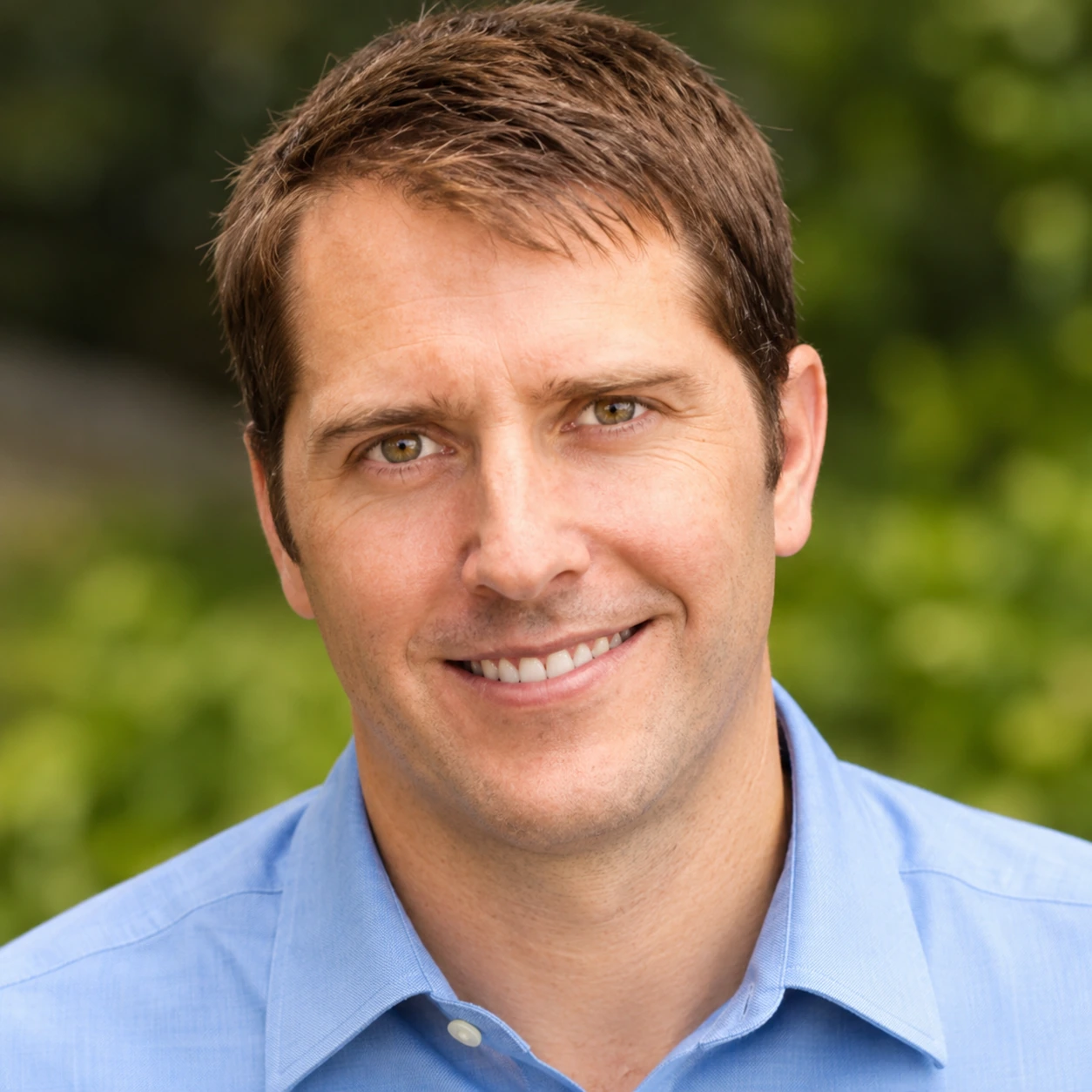
25 years in optics spanning manufacturing and test at Edmund Optics, optical software at Zemax/Ansys, and custom tools for Apple’s Camera Core Technology team. B.S. and M.S. in Optical Sciences, University of Arizona.

More than 35 years building software, including early Azure hyperscale and HPC architecture, AWS cloud and GPU infrastructure, and principal architecture at Expedia.
We believe the best tools give engineers more room to think, and better evidence to act on.
AI can help drive the workflow. Numerical engines calculate the physics. Engineers need to be able to examine both the model and the result.
The value is in understanding how the pieces work together, from image quality and manufacturability to the environment around the optics.
Work closely with engineers on their actual requirements. Make useful workflows possible, then keep improving them.
We’re building the physics foundation for a new generation of engineering tools. If that’s a future you want to help create, we’d like to talk.
Tell us what you’re designing and where the current workflow slows you down.
Discuss your design